


- Home
- About Us
- Metacognition in the Classroom
Metacognition in the Classroom
“Learning how to learn is one of the most important skills we can give our children.”
At Balgowan Primary School, we are committed to developing confident, reflective and independent learners. Central to this is metacognition, i.e. supporting children to understand how they learn best.
Metacognition is often described as ‘thinking about thinking’. It involves pupils planning how to approach a task, monitoring their understanding, and evaluating their success. Research from the Education Endowment Foundation (EEF) shows that metacognition is one of the most effective ways to improve pupil progress.
Our mission:
The world around us is changing rapidly. A range of skills required by people entering the workforce is not the same as it was 20, 10 or even 5 years ago. To be flexible, adaptable and resourceful is now more important than ever due to fast-paced technological advances. Our children require critical thinking skills that equip them for any future they may face. The ability to think for themselves, the desire to find solutions and the resilience to face adversity are key components of a Thinking School. Our task, as cognitive coaches, is to explicitly develop these skills in our pupils and create a culture of ongoing dialogue around metacognition.
What is Thinking School?
Over the past five years, we have developed our understanding of the science of learning that underpins metacognition. Through the Thinking Matters approach, we have embedded strategies that support pupils in becoming more independent, reflective learners. Thinking Matters is an approach grounded in cognitive science and research into how people learn. It focuses on making thinking visible and helping pupils understand how to think, not just what to think. At Balgowan, we are working towards becoming a Thinking School, where staff act as metacognitive coaches and pupils are encouraged to reflect on and improve their learning.
What does it look like in the classroom?
At Balgowan, children’s metacognitive skills are developed gradually through consistent, whole-school strategies.
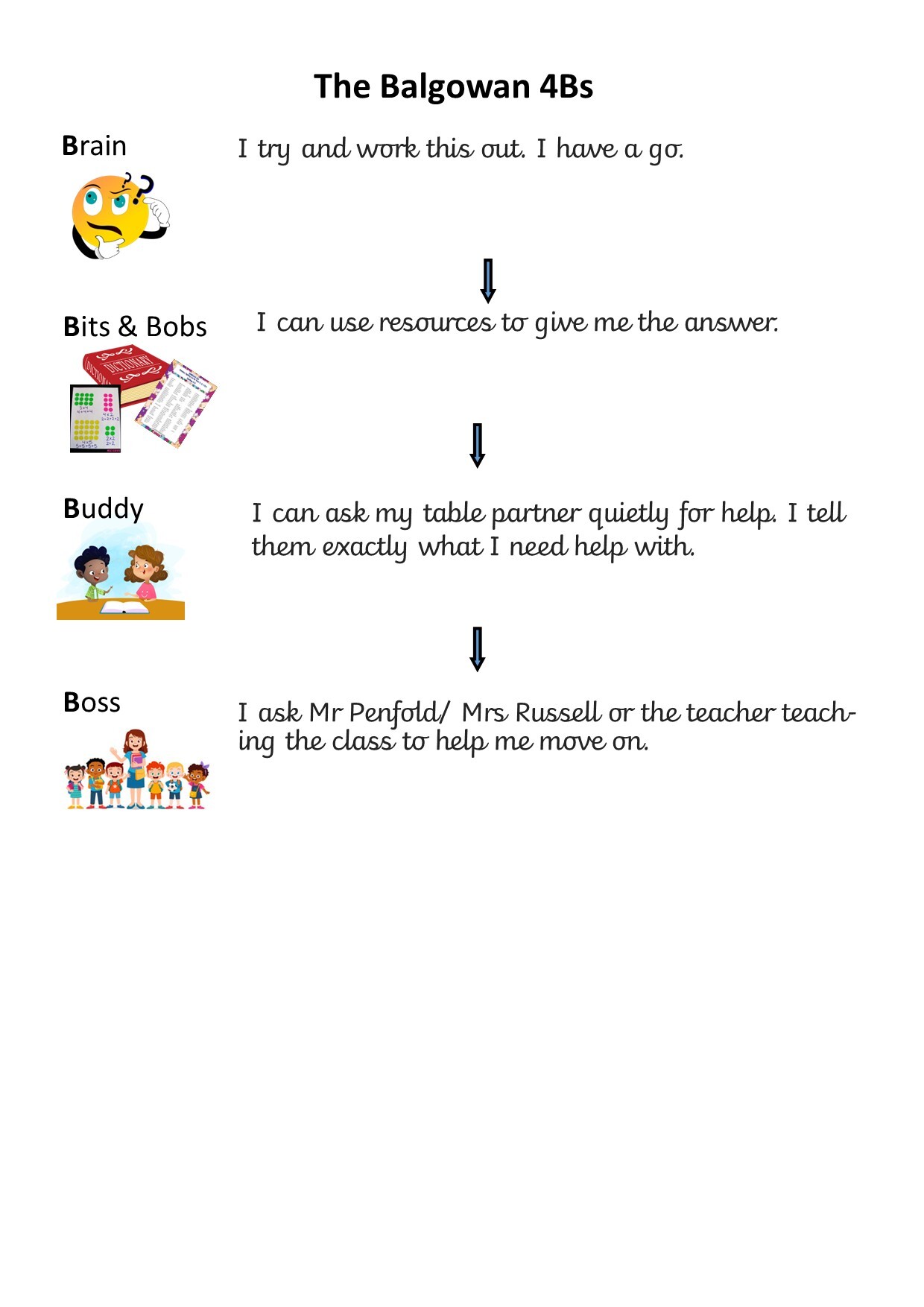
The 4Bs: Supporting Independent Learning
Pupils are encouraged to become independent when completing learning tasks through approaches such as the 4Bs (Brain, Board, Buddy and Boss) which guide children in seeking solutions before turning to the teacher.
Brain – Can I solve this myself?
Bits and Bobs – Is there information in the classroom that can help me?
Buddy – Can a partner support my thinking?
Boss – Do I need to ask the teacher?
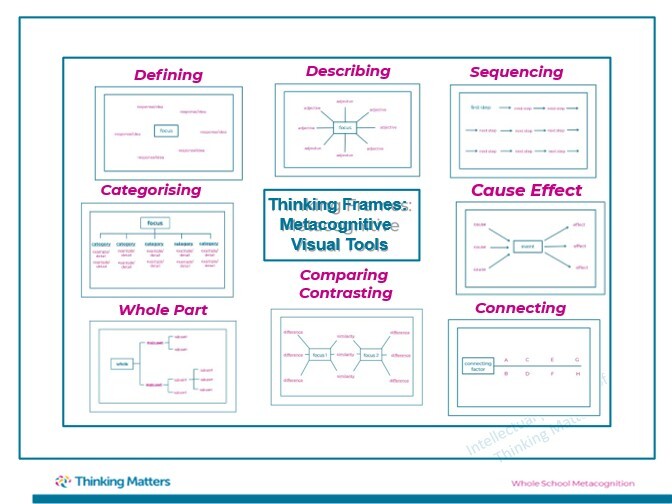
Thinking frames: structuring children’s thinking
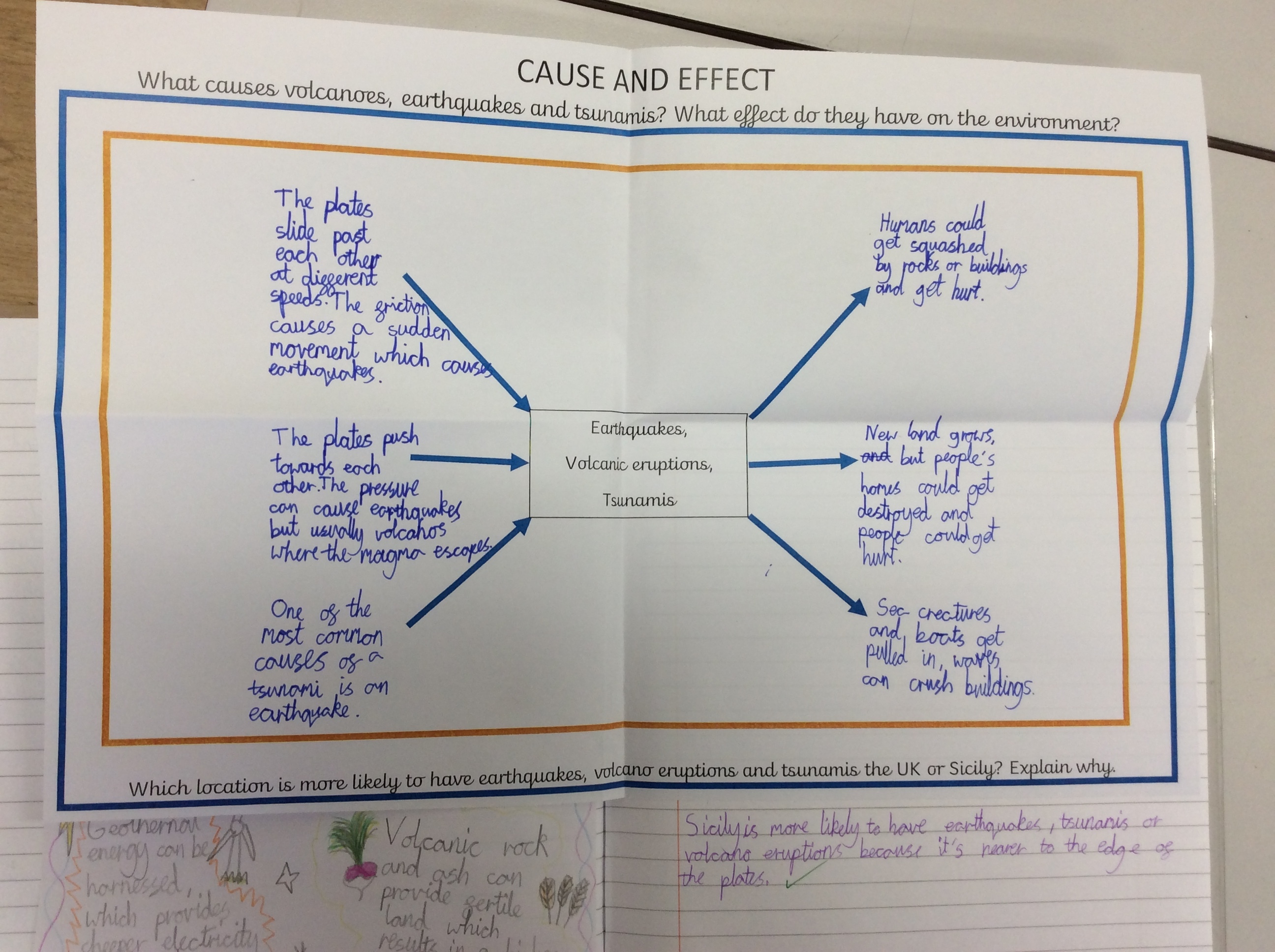
We also use Thinking Frames (also knows as key visuals or graphic organisers) to help pupils organise their ideas and deepen pupils’ thinking, enabling them to define, describe, compare, sequence, explain causes, solve problems, express opinions and reflect on their learning.
Example in Year 4 Geography
Habits of Mind: developing intelligent learning behaviours
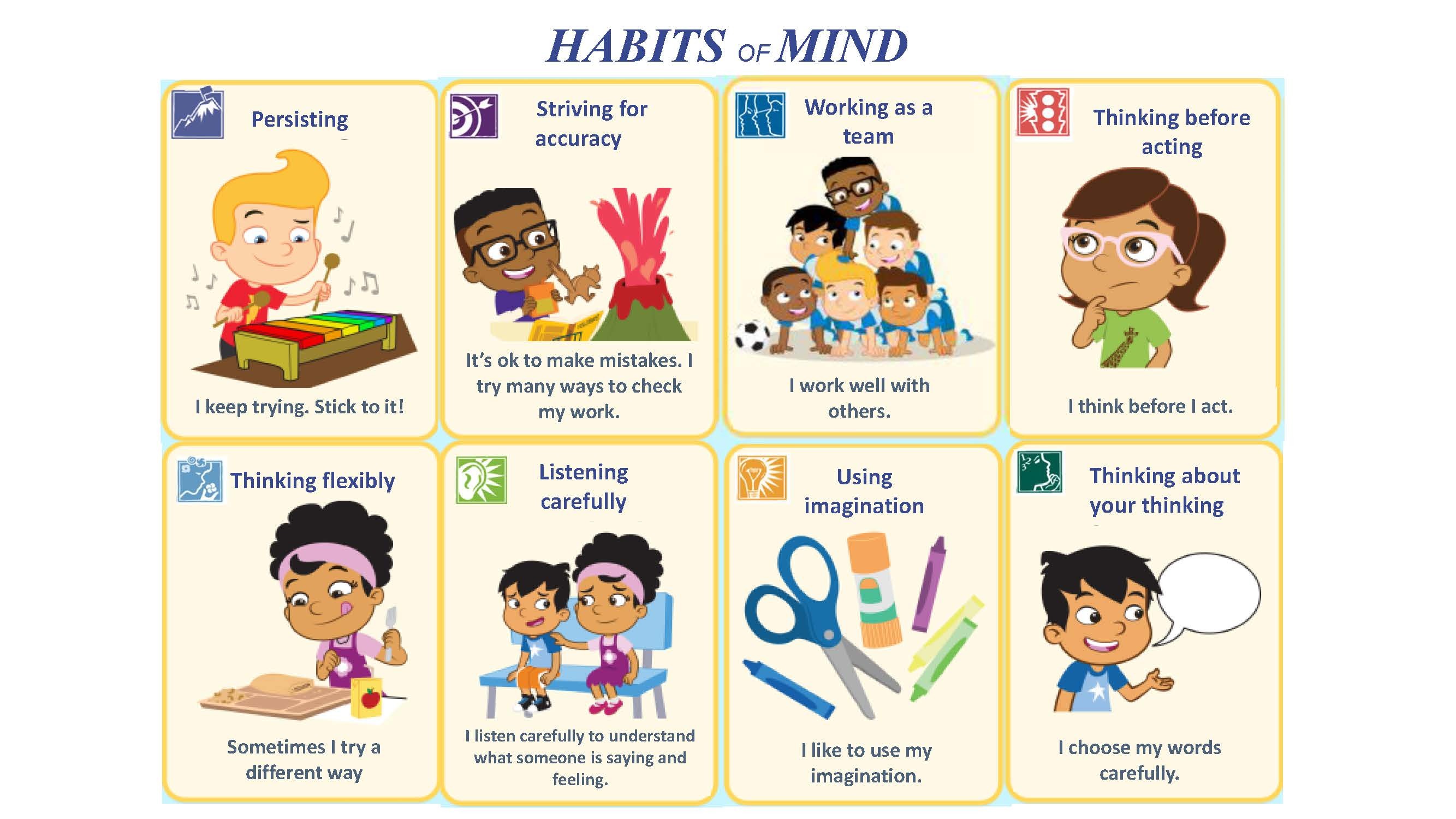
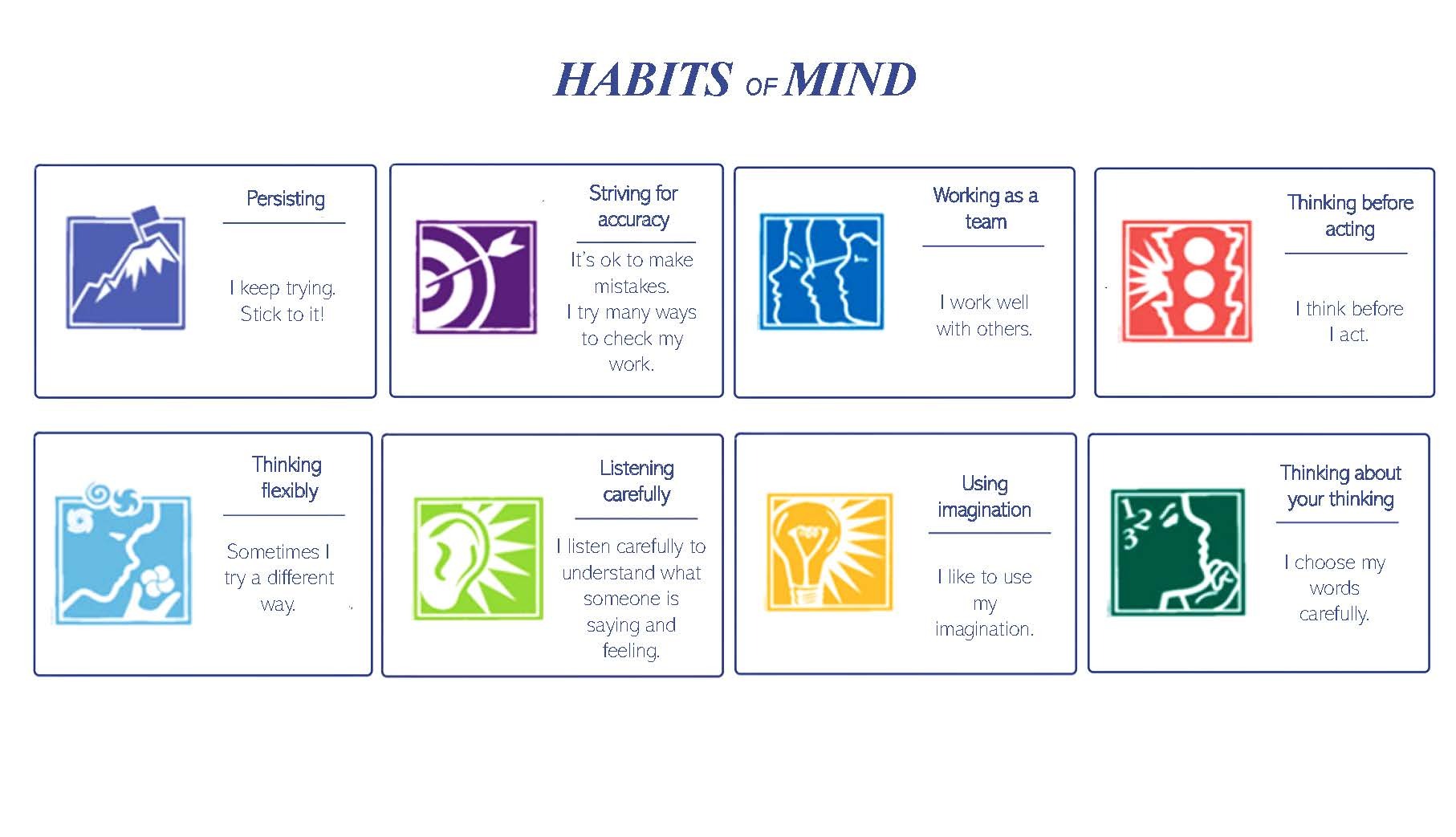
Thinking Matters Habits of Mind are a set of thinking behaviours that help children become better learners.
They encourage pupils to stay curious, keep trying when work is hard, and think flexibly. They also support children to work collaboratively, listen carefully, and use evidence to make decisions.
KS1
KS2
External websites to learn more
Balgowan has become an accredited Thinking school
We are proud to announce that as of September 2026, Balgowan has become an accredited Thinking School.